Fear-Free / Low-Stress Handling in Denver CO
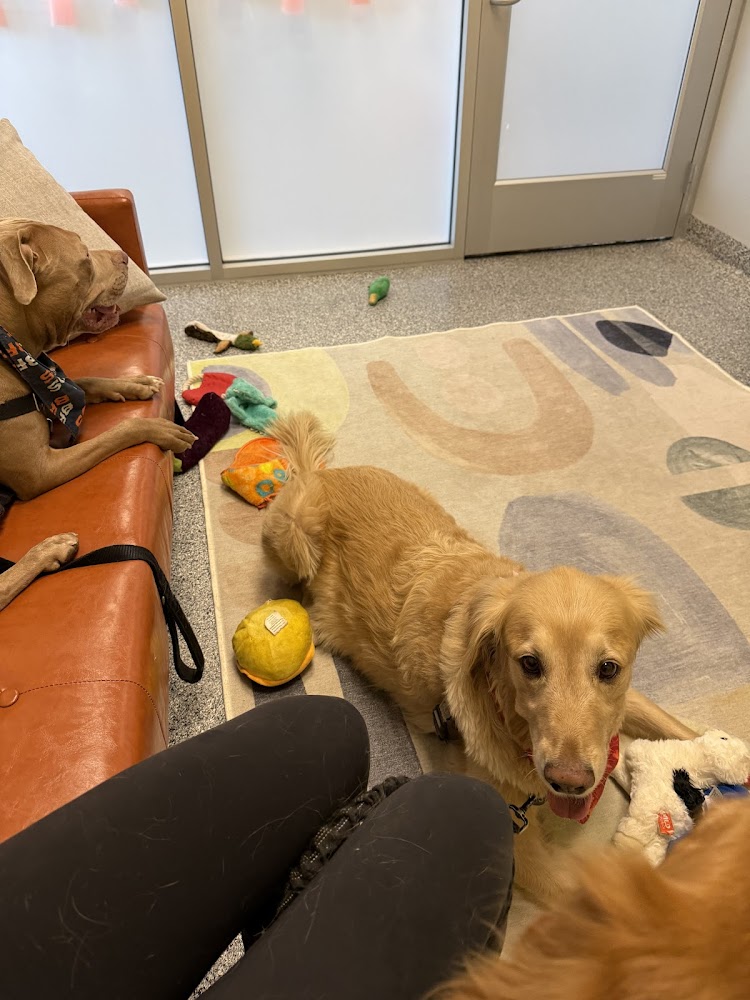
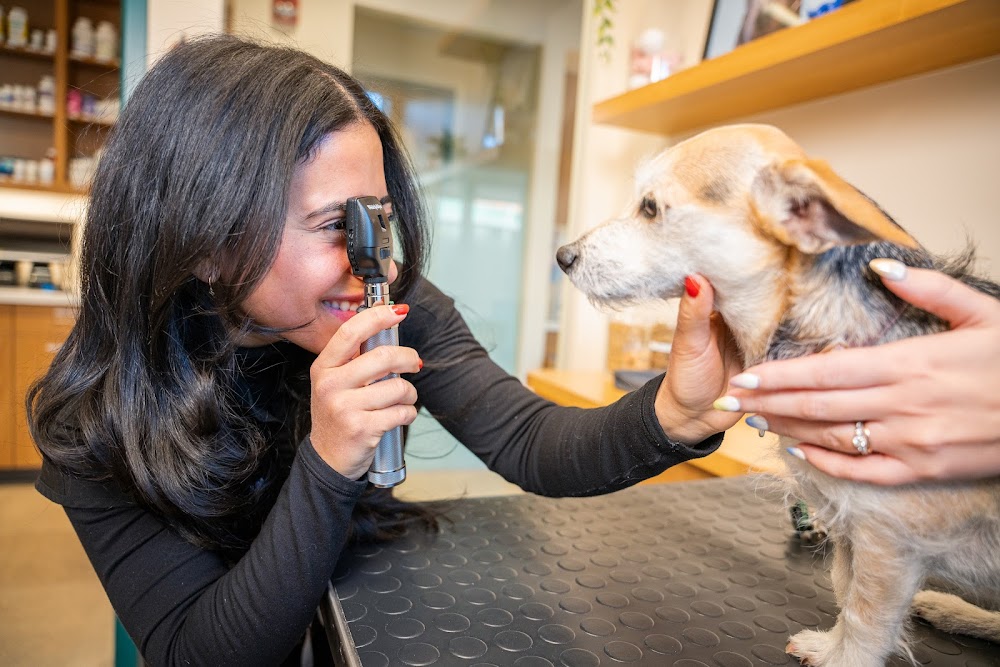
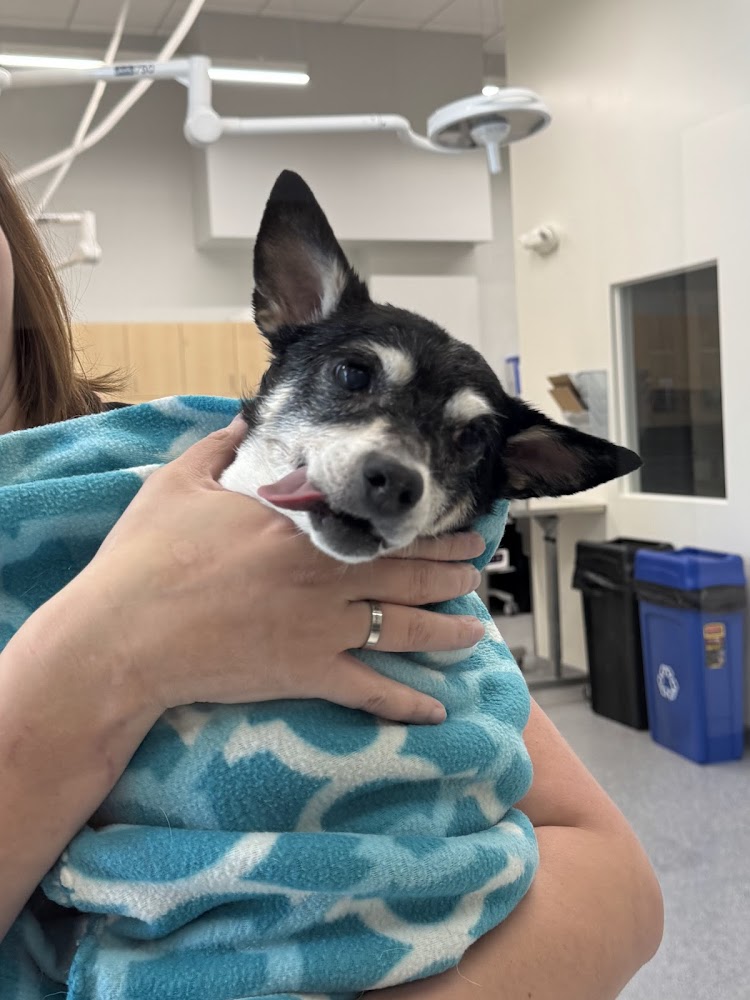
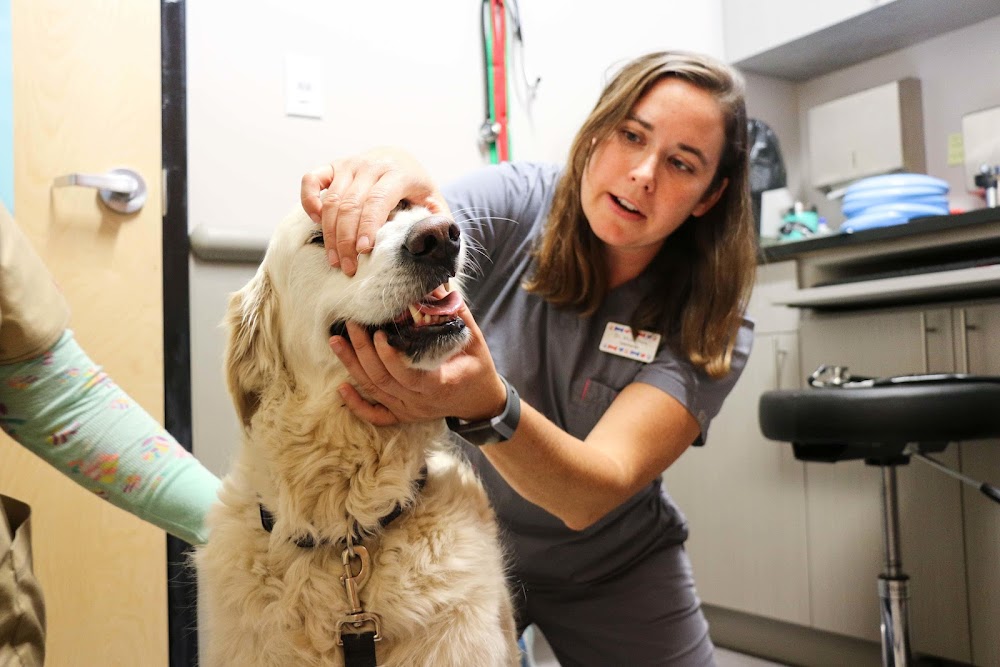
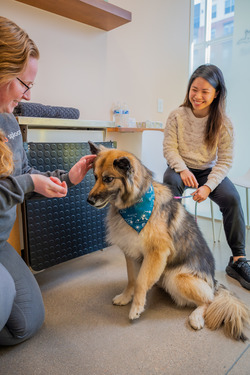
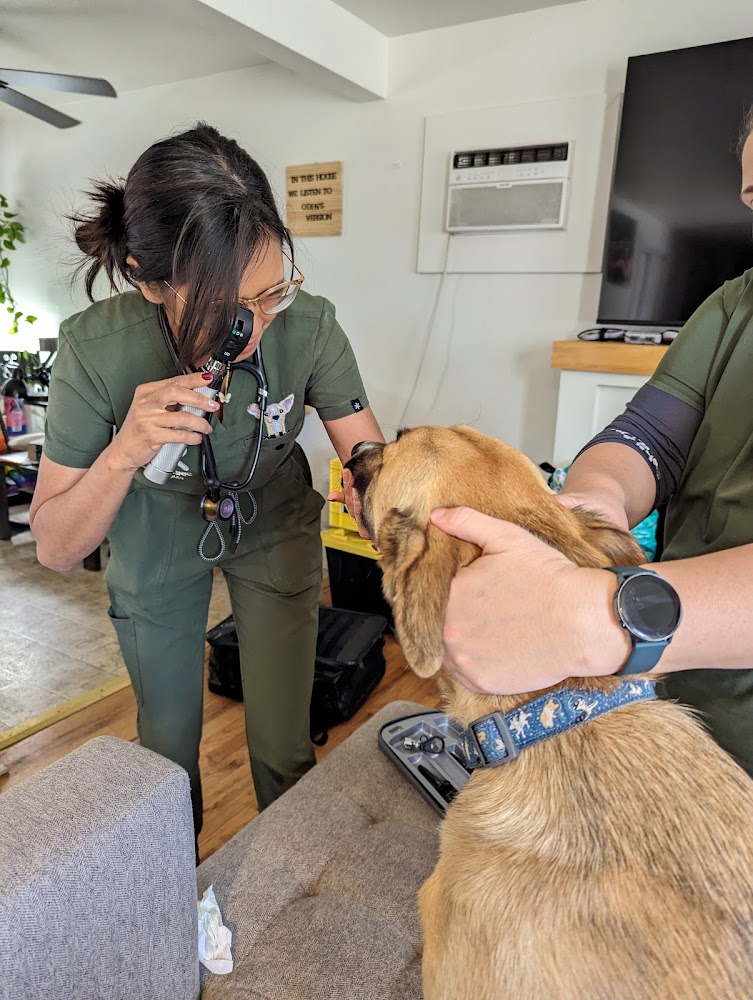
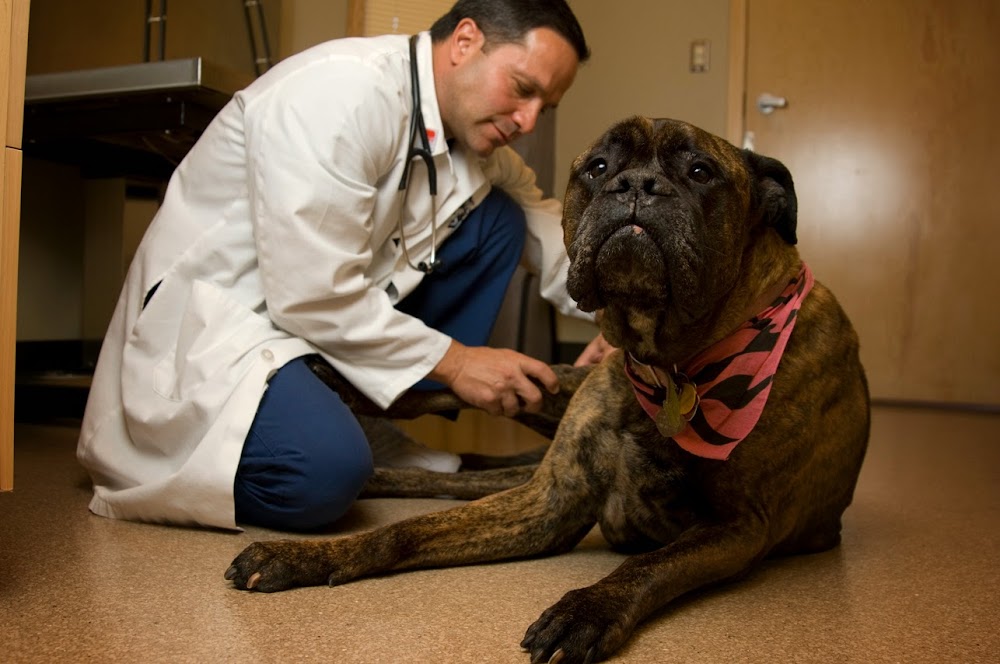
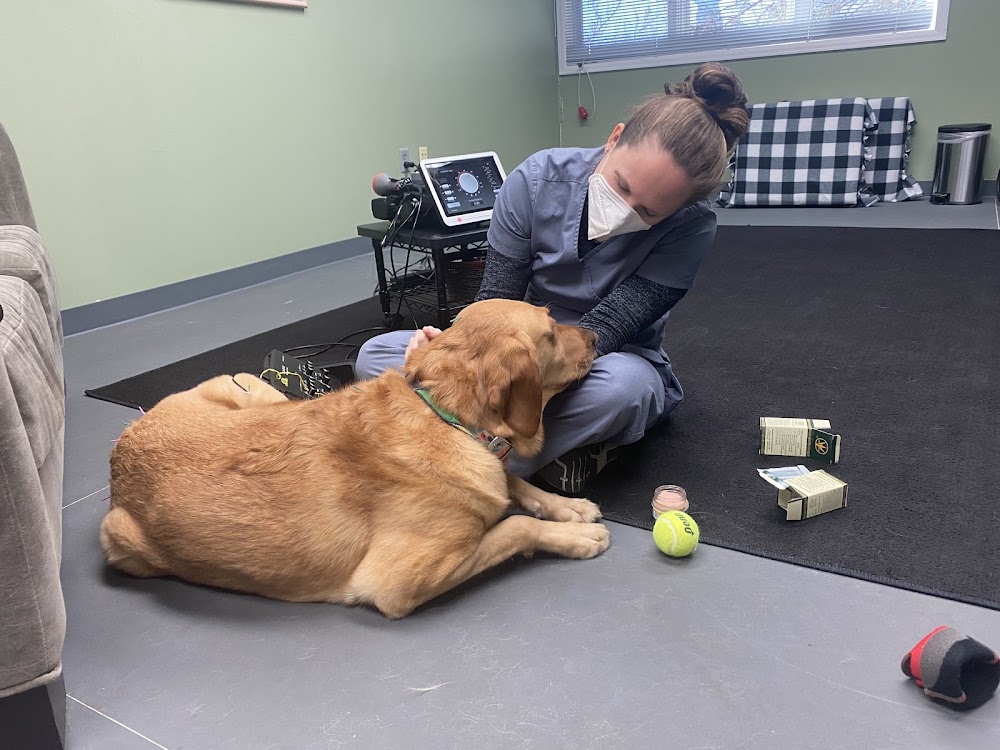
Fear-free and low-stress handling is a way of practicing veterinary medicine that puts your pet's emotional state on the same level as its physical health. Instead of muscling a scared dog onto a table or scruffing a hissing cat for a blood draw, trained staff use techniques like pheromone sprays, non-slip flooring, treat-based cooperation, towel wraps, and exam rooms designed to keep animals calm. Some clinics take this further with separate cat and dog waiting areas, floor-level exams instead of tables, and appointment pacing that avoids long waits in a noisy lobby.
Denver has 42 practices in this category, ranging from clinics with a couple of fear-free certified staff to hospitals built around the approach from the ground up. That range matters because "fear-free" gets used loosely. A clinic might have one certified technician, or it might have trained its entire front desk, exam, and surgical teams and redesigned its physical space around low-stress principles.
When you're comparing options, look for actual certification (Fear Free Certified Professional status for staff, not just a logo on the website), separate species-specific waiting areas or scheduling, and a willingness to do pre-visit medication protocols for anxious pets. Ask how they handle a pet that's already panicking: a good fear-free clinic will stop, reassess, and reschedule rather than push through.
Our ranked guide to Denver veterinarians weighs certification, staff training depth, facility design, and how consistently a practice applies these methods across visits, not just during routine checkups. The full scoring breakdown is on our methodology page.
All fear-free / low-stress handling, by score
42 businesses. Filter and sort below, or open the full map view.



Common questions about fear-free / low-stress handling
- Does fear-free handling cost more than a regular vet visit?
- Usually the base exam fee is similar to any general practice. Where costs can rise is with add-ons some clinics recommend for anxious pets, like pre-visit anti-anxiety medication (often a small prescription cost) or longer appointment slots, which some practices bill at a slightly higher rate because they take more staff time.
- How do I know if a clinic is genuinely fear-free or just using the term loosely?
- Ask whether staff hold Fear Free Certified Professional credentials (an actual certification with continuing education requirements) rather than just training that happened once. Also ask what specific accommodations they offer, like species-separated waiting areas, non-slip surfaces, or exam-room-only visits with no time in a kennel.
- What should I expect at a first low-stress handling appointment?
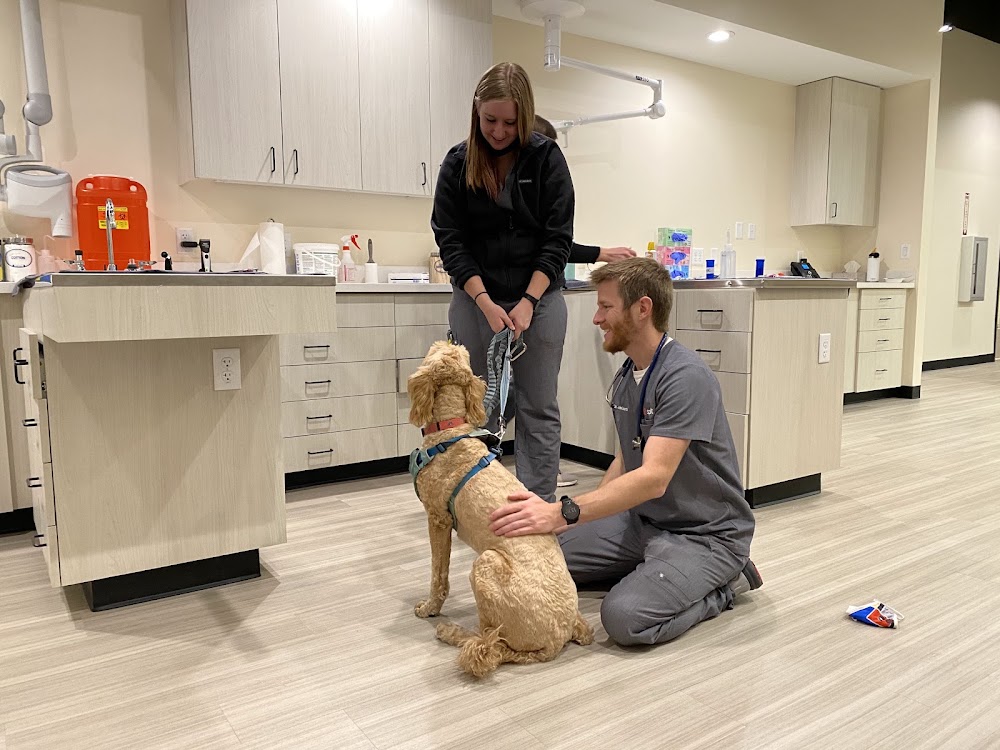
- Expect a longer check-in process: staff may ask about your pet's specific triggers beforehand, schedule you for a quieter time of day, and let your pet explore the exam room before starting anything. Techs typically work at floor level or on a towel rather than lifting pets onto a cold table, and they'll pause if your pet shows stress signals instead of pushing through the exam.
- How often does my pet need this kind of visit versus a standard vet visit?
- The frequency follows normal veterinary care schedules (annual or biannual wellness exams, plus as-needed sick visits), it's the handling approach that differs, not the schedule. If your pet has a history of vet-related anxiety, some clinics recommend an extra low-stakes 'happy visit' a few times a year just for treats and positive association, with no exam involved.