Exotic & Avian Veterinary Care in Denver CO
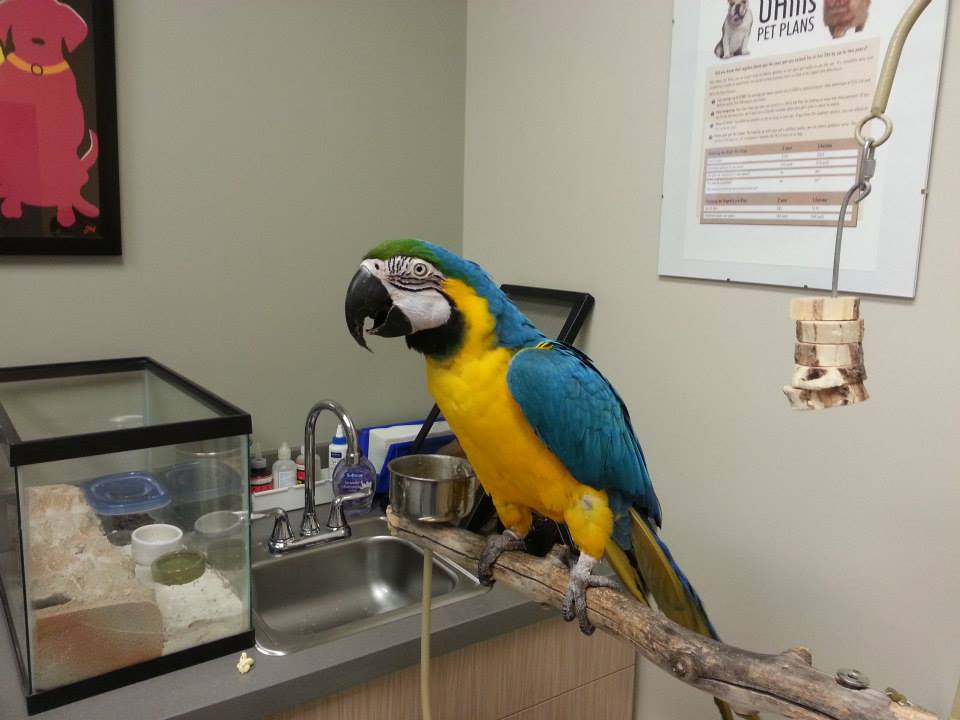
Birds, reptiles, rabbits, ferrets, guinea pigs, and other pocket pets need care that most general dog-and-cat clinics aren't set up to provide. Exotic and avian veterinary care covers wellness exams tailored to each species, beak and nail trims, feather and skin issues, GI stasis and dental problems in rabbits and rodents, reptile metabolic bone disease, and diagnostics like radiographs or blood work sized and handled for small, often fragile patients. Denver has 94 practices listed under this category, ranging from small clinics with one exotics-trained vet to larger hospitals with dedicated avian and reptile departments.
Before booking, ask whether the vet actually sees your specific species regularly, not just "exotics" as a catch-all label. A clinic that treats bearded dragons weekly is a different bet than one that sees a handful a year. Look for proper isolation space for birds (avian illnesses spread fast and some are zoonotic), correctly sized anesthesia and monitoring equipment, and a straight answer on emergency or after-hours coverage, since many general ERs won't touch a sick cockatiel or a bearded dragon at 2am.
Our ranked guide to Denver's exotic and avian vets scores practices on species expertise, equipment, availability, and how they handle owner communication around these less-standard cases. The full scoring approach is explained on our methodology page.
All exotic & avian veterinary care, by score
94 businesses. Filter and sort below, or open the full map view.


































Common questions about exotic & avian veterinary care
- How much does an exotic or avian vet visit cost in Denver?
- A basic wellness exam typically runs somewhat higher than a standard dog or cat visit, often in the $75-$150 range, because exotics appointments usually take more time and specialized handling. Add diagnostics like bloodwork, fecal exams, or radiographs and a visit can climb to $200-$400. Surgery (bird abscess removal, rabbit GI obstruction, reptile egg binding) can run several hundred to over a thousand dollars depending on complexity and anesthesia time.
- How often does my exotic pet need to see a vet?
- Most birds, rabbits, and reptiles benefit from an annual wellness check, and some owners bring in fast-growing or geriatric animals twice a year. Rabbits and rodents with ongoing dental issues often need more frequent rechecks. New pets should get a baseline exam within the first couple of weeks of bringing them home, partly to catch problems early and partly to establish a relationship with a vet before an emergency happens.
- What should I expect at a first exotic vet appointment?
- Expect a longer visit than a typical cat or dog checkup: a hands-on physical exam, questions about diet, housing, temperature, and humidity (especially for reptiles and birds), and often a fecal or weight check. Many vets will also want a history of where the animal came from, since husbandry problems cause a large share of the health issues they see.
- How do I judge whether an exotic vet is actually good at this?
- Ask how many of your specific species they treat in a typical month, whether they belong to groups like the Association of Avian Veterinarians or have exotics-specific certification, and how they handle after-hours emergencies. A vet who gives vague answers or lumps all exotics together without species-specific detail is a warning sign.